
The Collection
Our Material Library
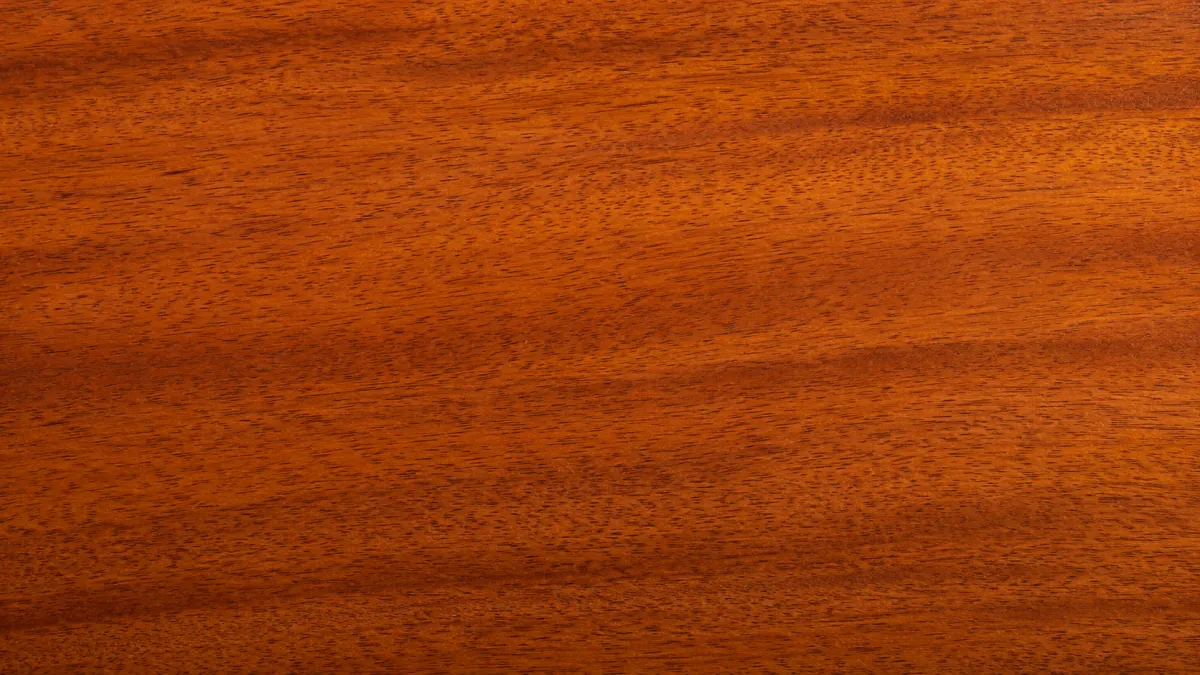
African Mahogany
$$$$$
A non-toxic hardwood similar to traditional mahogany. Best suited for decorative items, serving cold foods, and brief contact with warm foods. Not recommended for hot cooking.
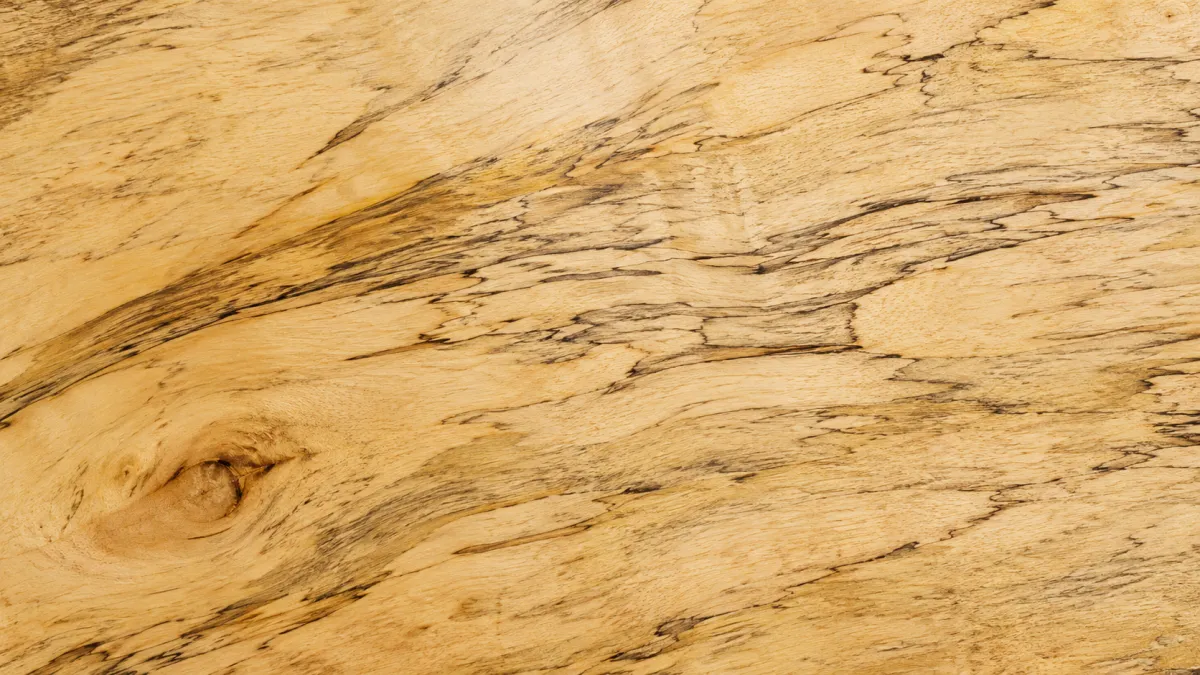
Ambrosia Maple
$$$$$
A non-toxic hardwood with distinctive figure. Performs beautifully for hot food contact, stirring, cooking, and serving, with minimal flavor transfer.
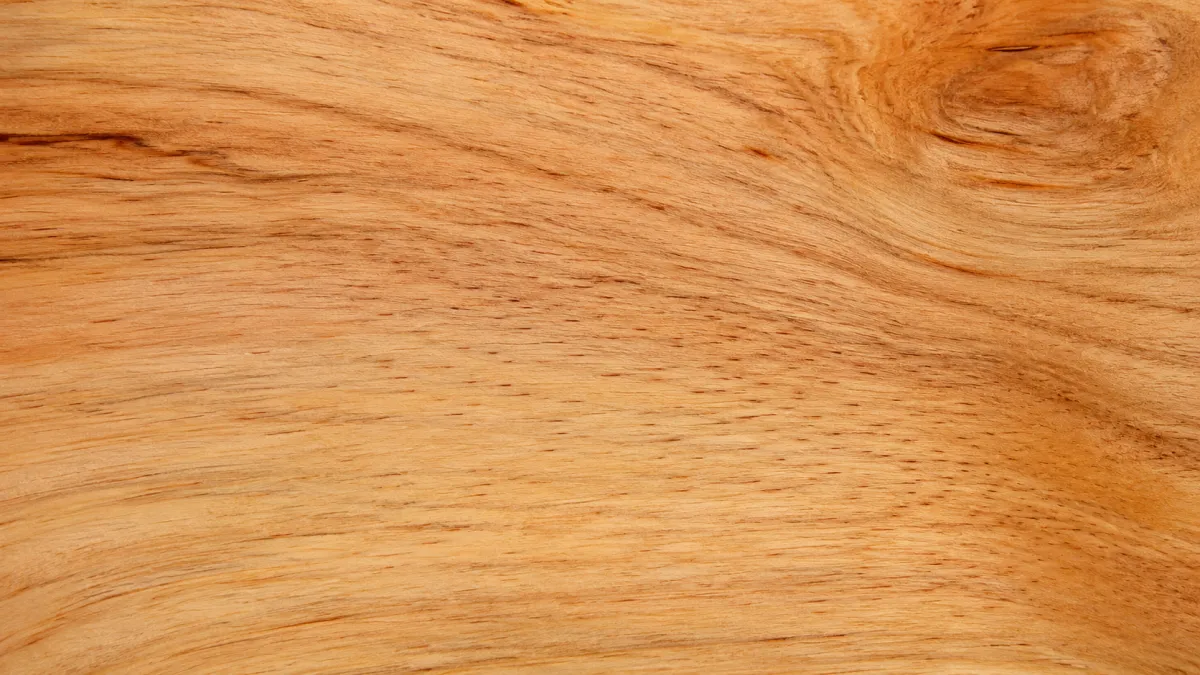
Apple
$$$$$
A non-toxic fruitwood with fine grain. Offers a dense and stable surface that performs exceptionally well with direct hot food contact and serving.
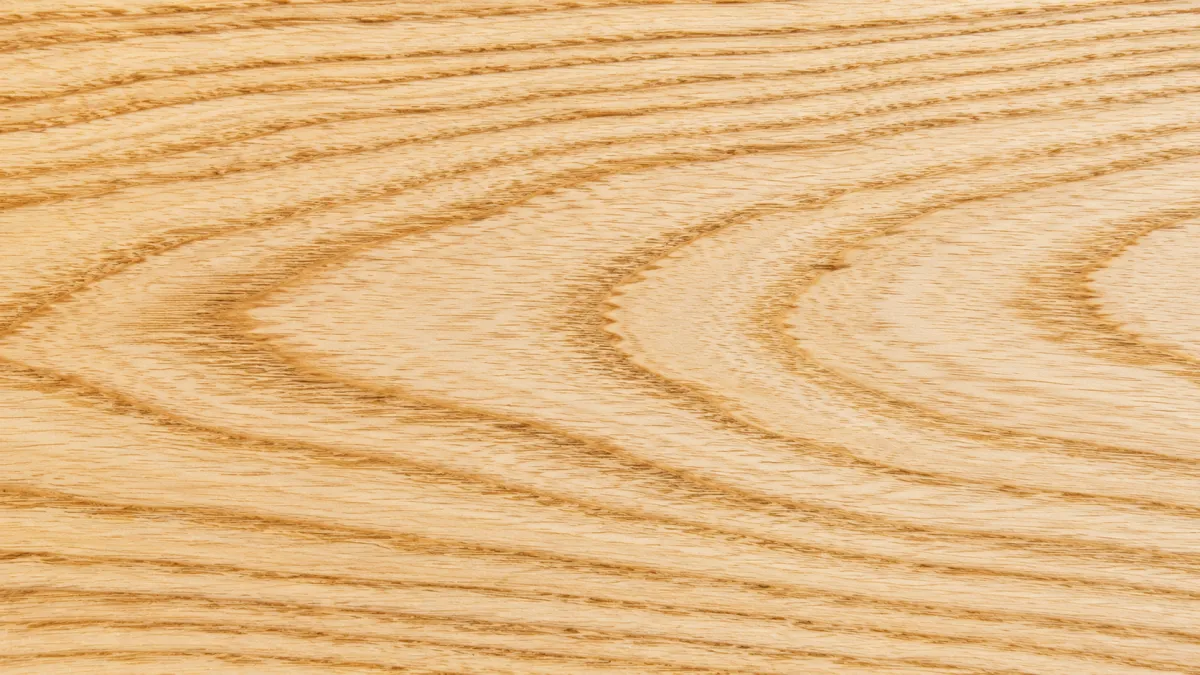
Ash
$$$$$
A non-toxic, strong hardwood. Highly suitable for functional use, including direct hot food contact, stirring, and serving warm or cold foods.
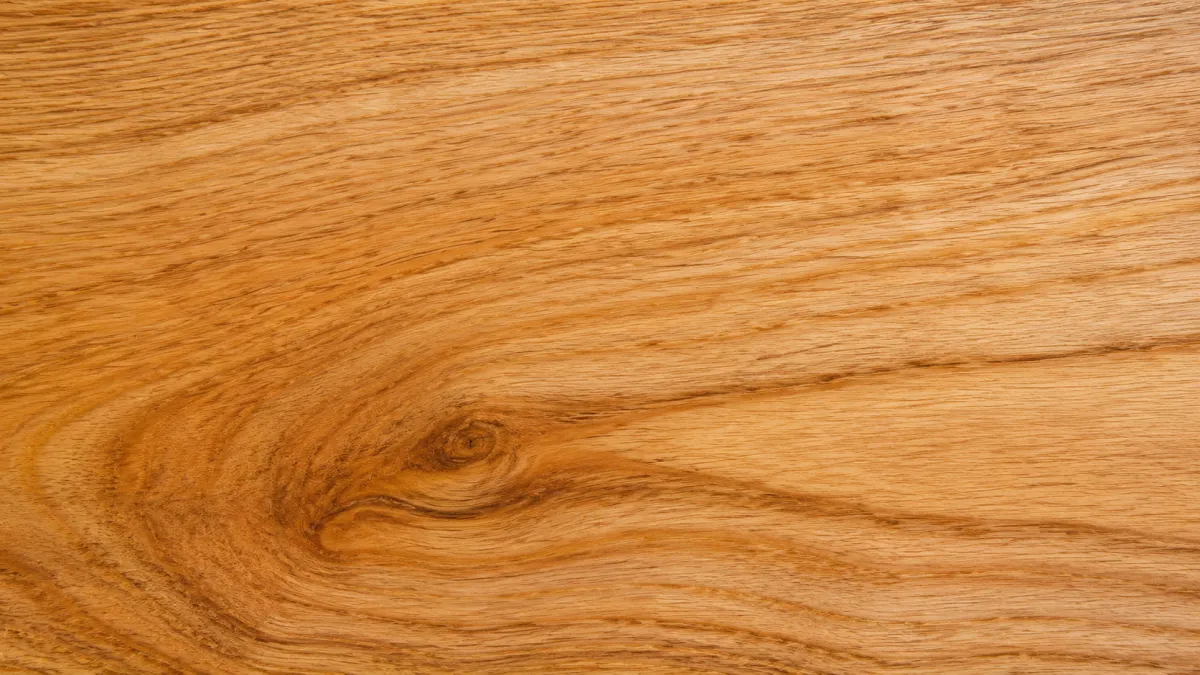
Bald Cypress
$$$$$
It is best suited for decorative items and light-use pieces. For food use, it is appropriate for serving cold or room-temperature foods and brief warm contact, but not for hot cooking applications.
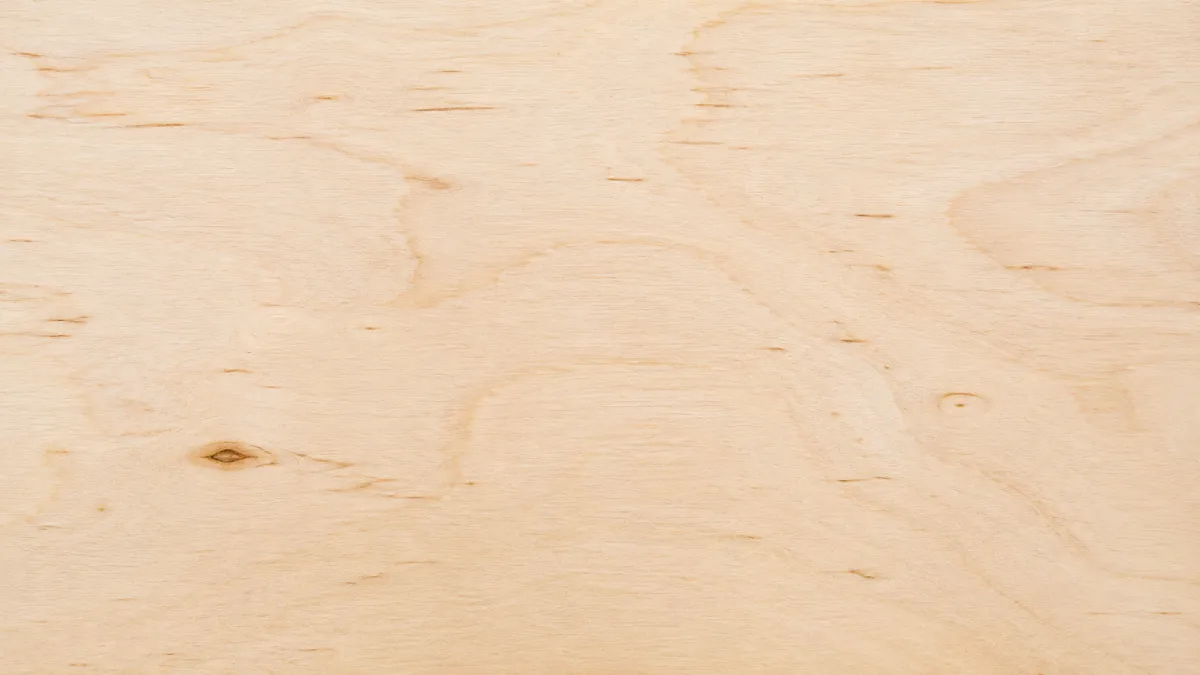
Birch
$$$$$
It performs well in both decorative and functional applications, including hot food contact and serving warm or cold foods.
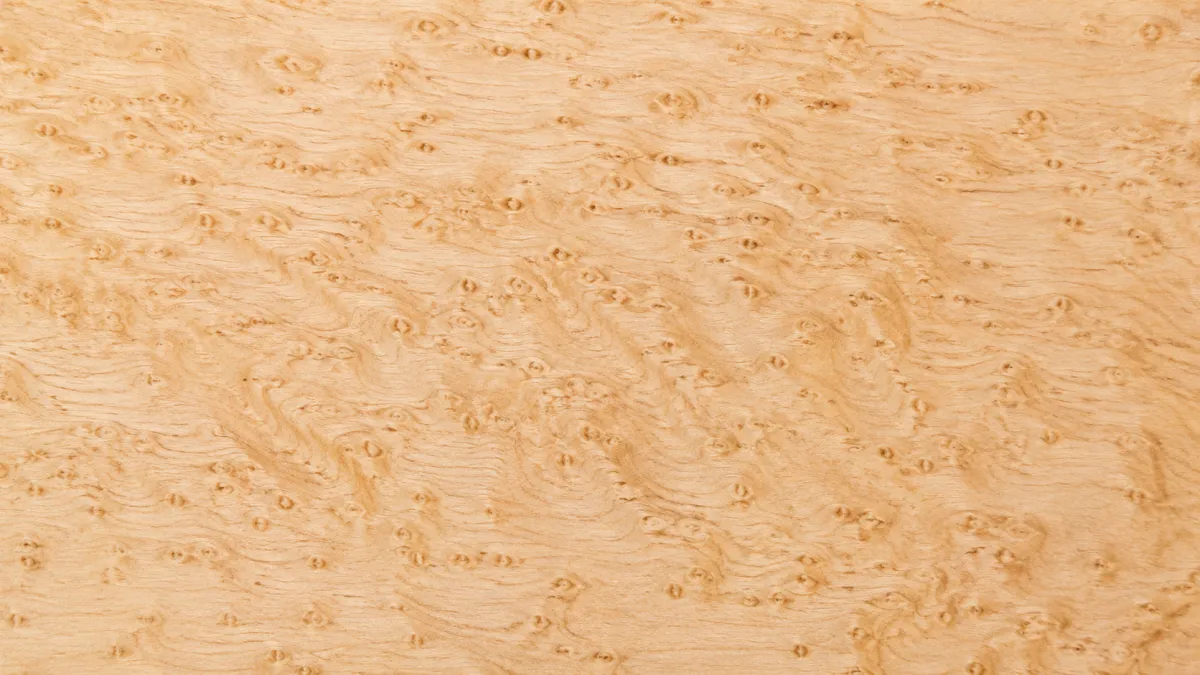
Birdseye Maple
$$$$$
It offers the same performance as maple for hot food contact and cooking, as well as serving warm or cold foods, while also being highly valued for decorative work.
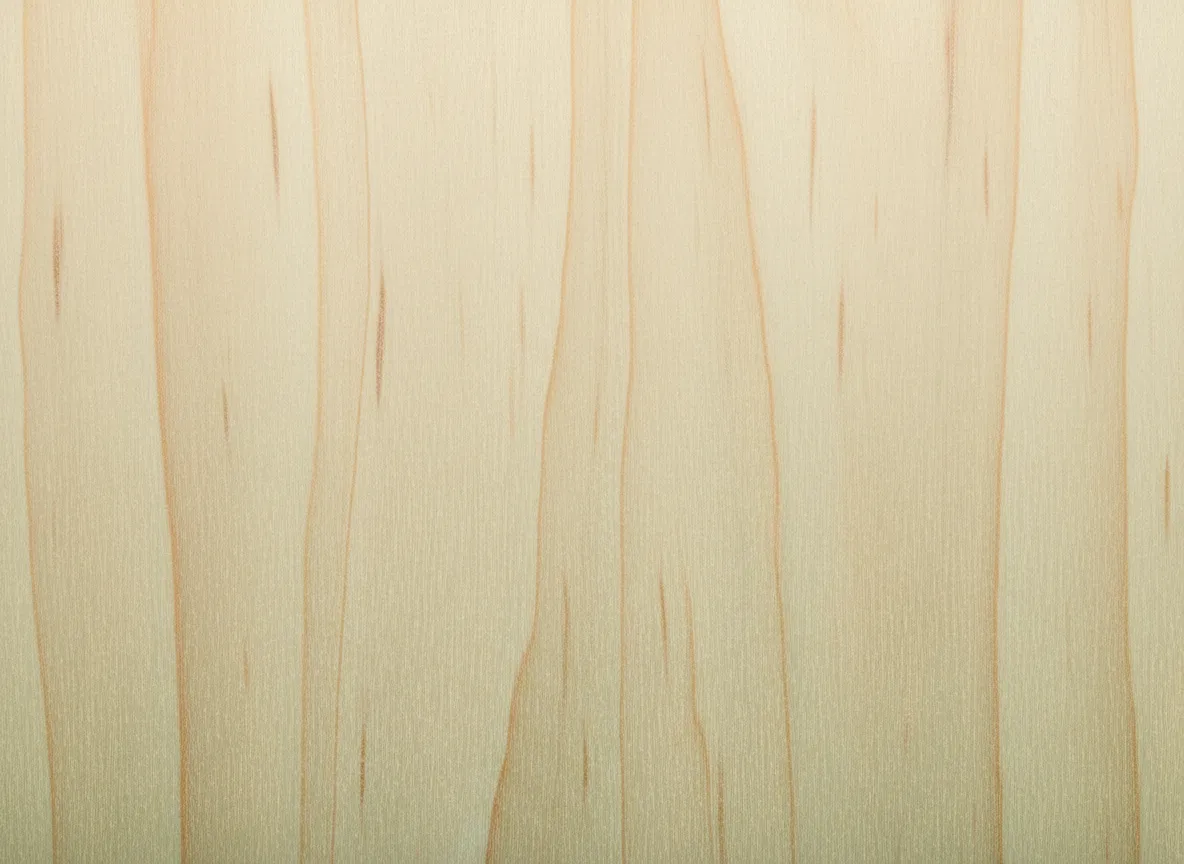
Black Cherry
$$$$$
It is suitable for decorative and functional use, including hot food contact, and serving warm or cold foods.
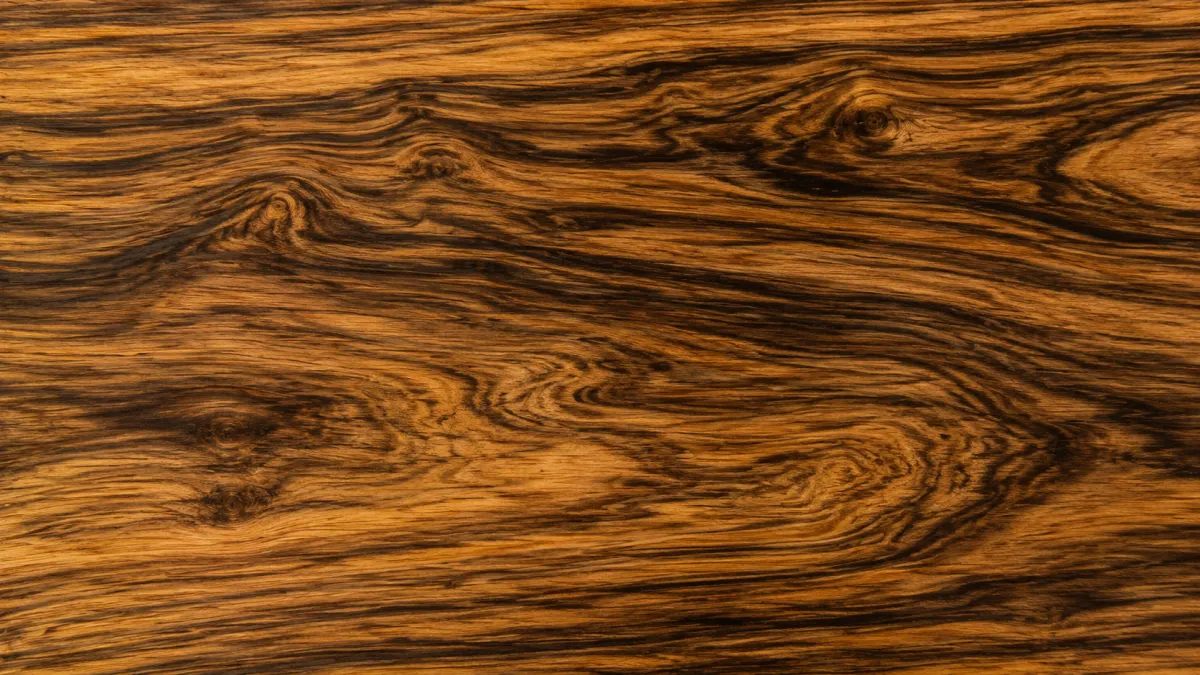
Bocote
$$$$$
It is most often used for decorative applications. For food-related use, it is best limited to serving cold or room-temperature foods and brief warm contact, rather than hot cooking use.
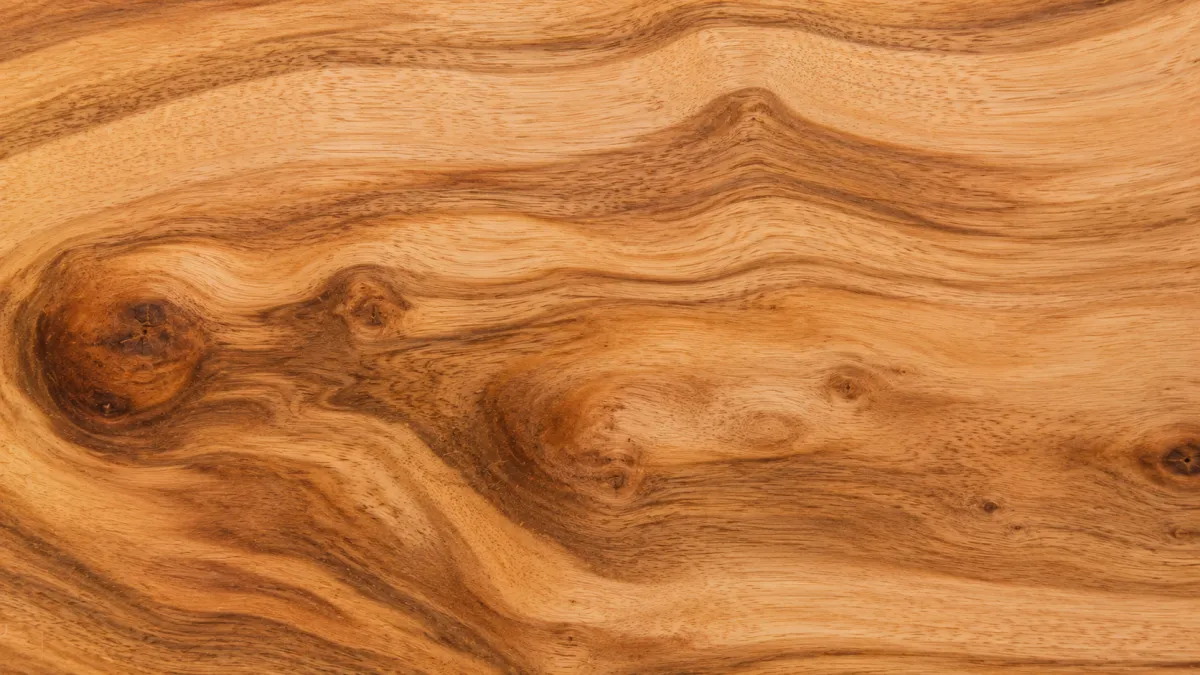
Camphor Laurel
$$$$$
It is best suited for decorative pieces and occasional serving use. It may impart a noticeable aroma or flavor, especially with warm or hot foods, so it is recommended for cold foods or brief warm serving only.
Cherry
$$$$$
It performs well in both decorative and functional items, including hot food contact and serving warm or cold foods, and develops a rich patina over time.
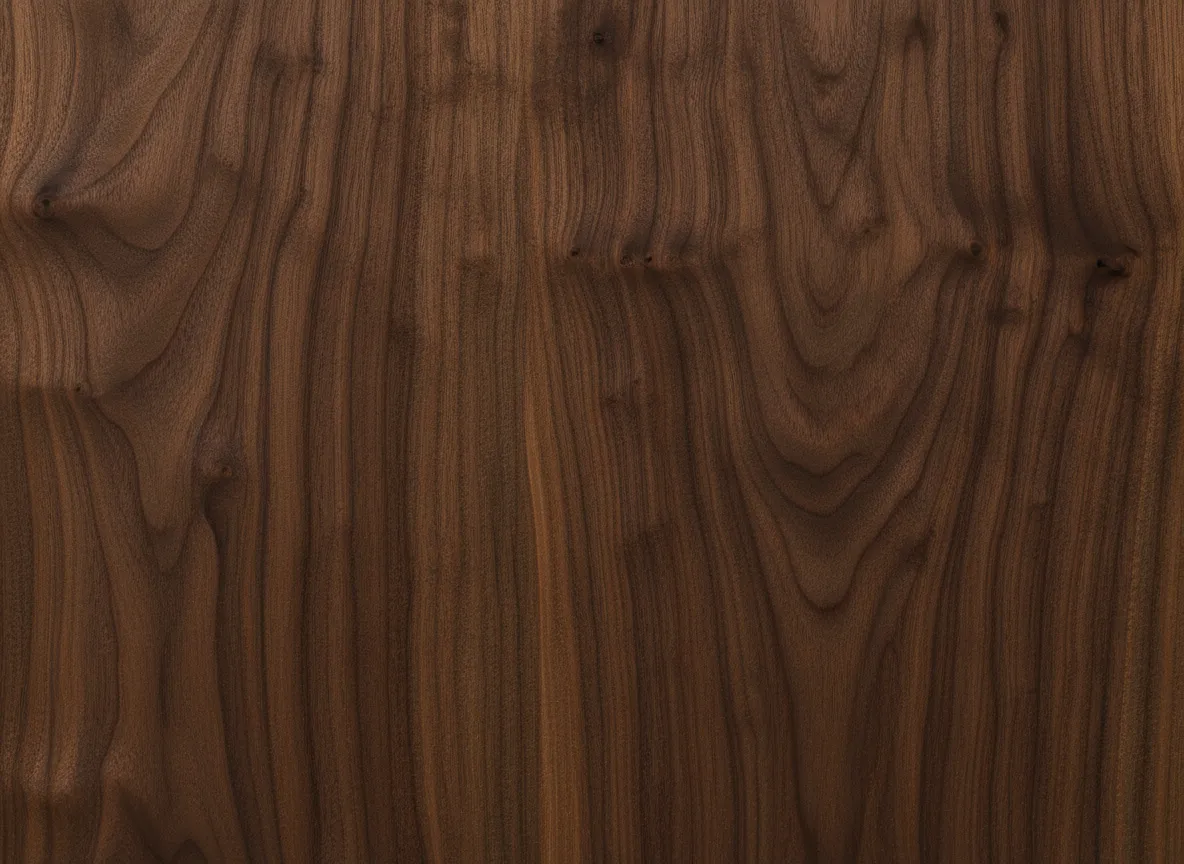
Chinese Elm
$$$$$
It is suitable for decorative and functional use, including serving warm or cold foods and moderate hot food contact.
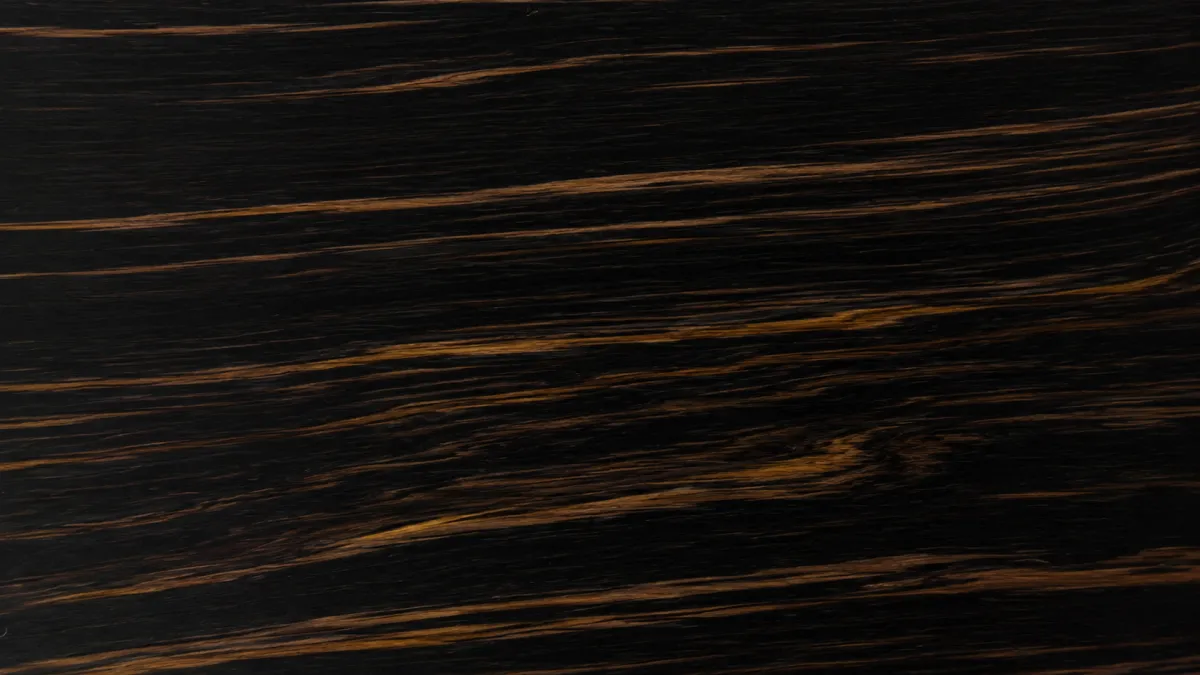
Ebony
$$$$$
It is primarily used for decorative elements and accents. It is not typically used for food-contact applications.
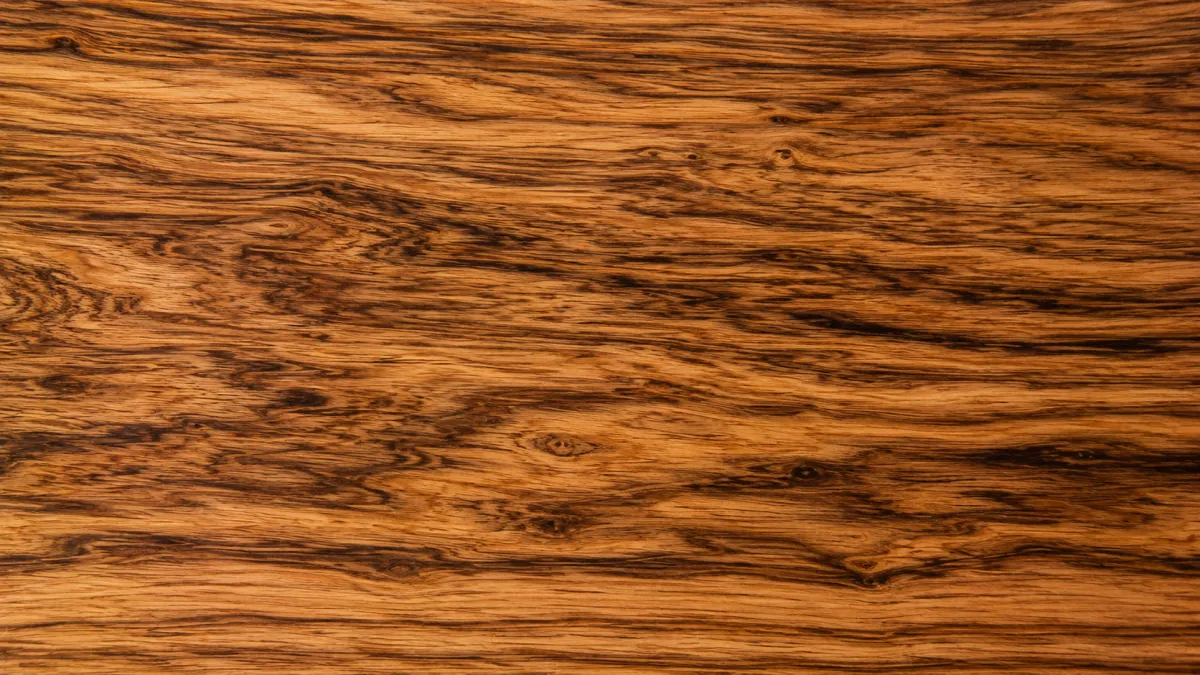
Ebiara
$$$$$
It is used primarily for decorative work and specialty pieces, rather than food-contact applications.
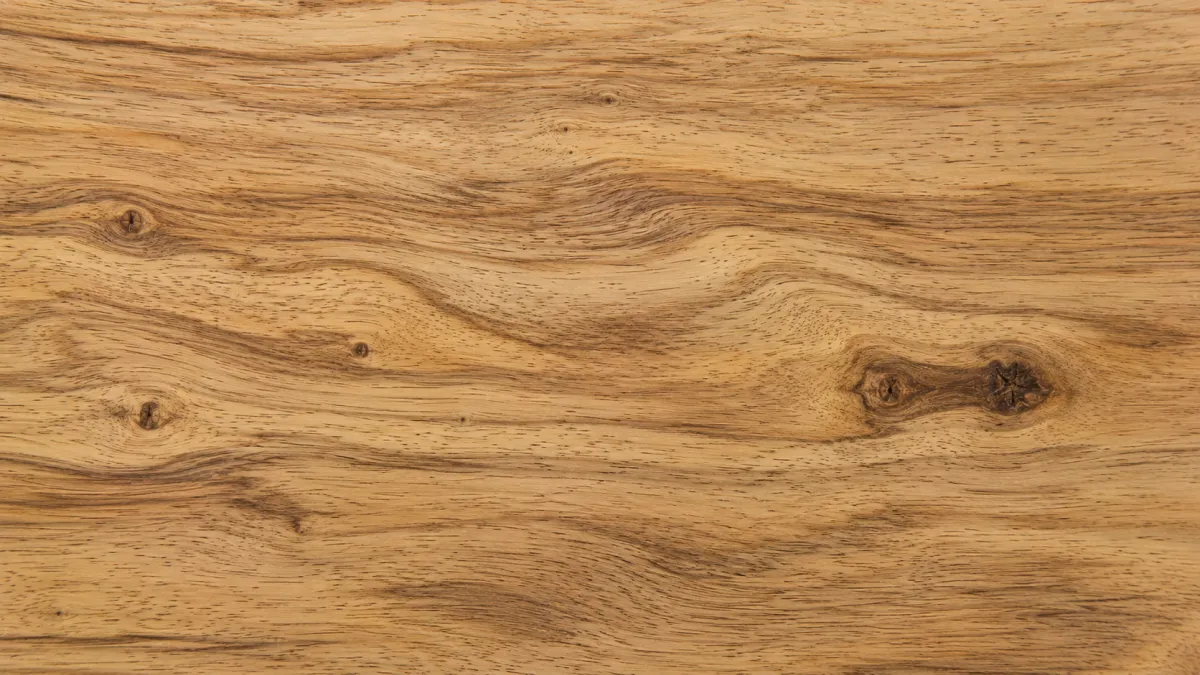
Hackberry
$$$$$
It can be used for decorative and light functional items, including serving warm or cold foods. It is not typically used for frequent hot cooking contact.
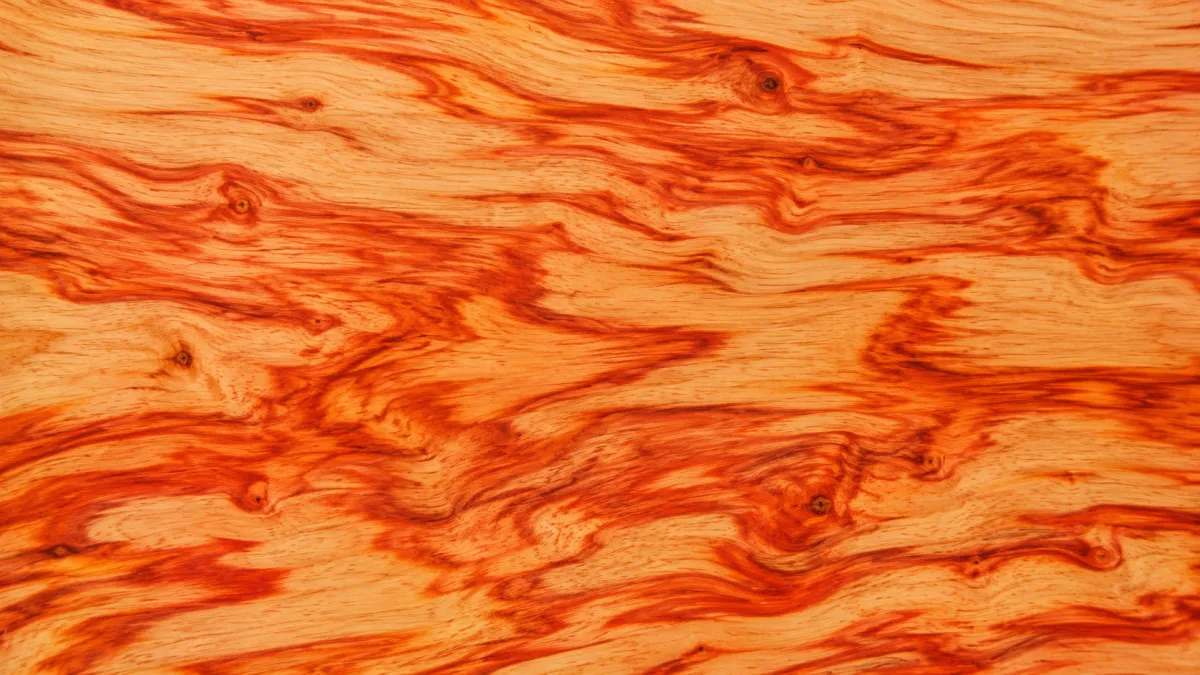
Flaming Box Elder
$$$$$
It is suitable for decorative and light functional use, including serving cold or warm foods. It is not typically used for repeated hot cooking contact.
Hickory
$$$$$
It is well suited for durable functional items, including hot food contact (stirring and cooking) and serving warm or cold foods, as well as rustic decorative work.
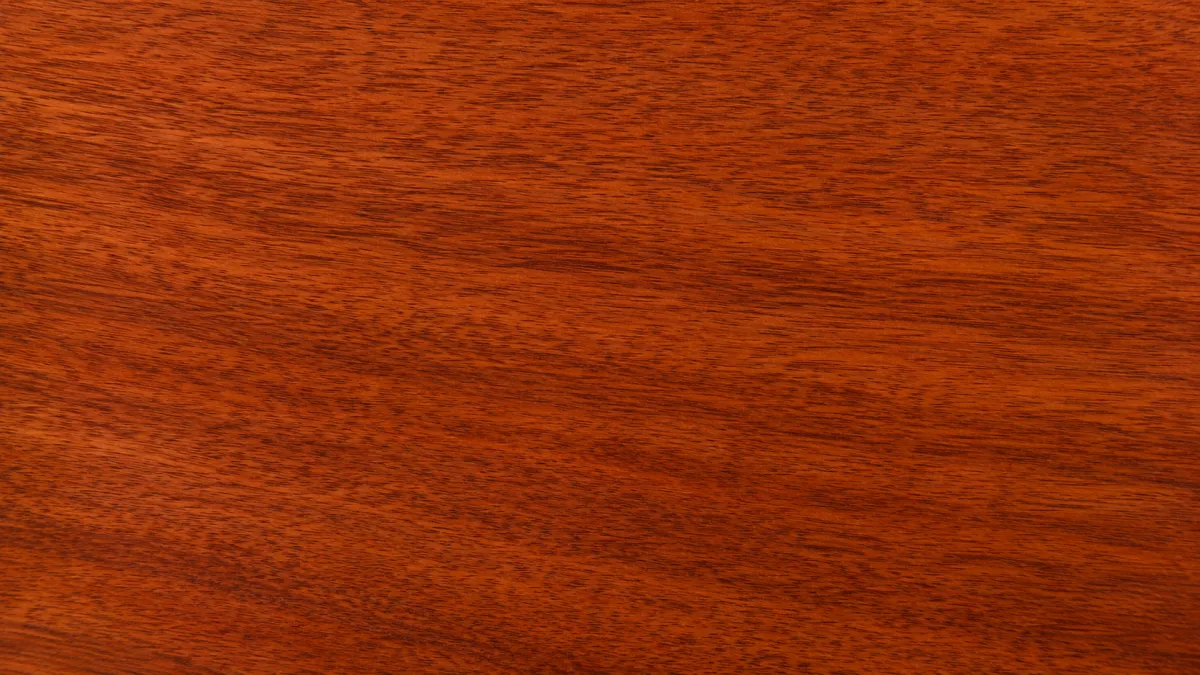
Mahogany
$$$$$
It is best suited for decorative applications and furniture, with food use limited to serving cold or room temperature foods and brief warm contact.
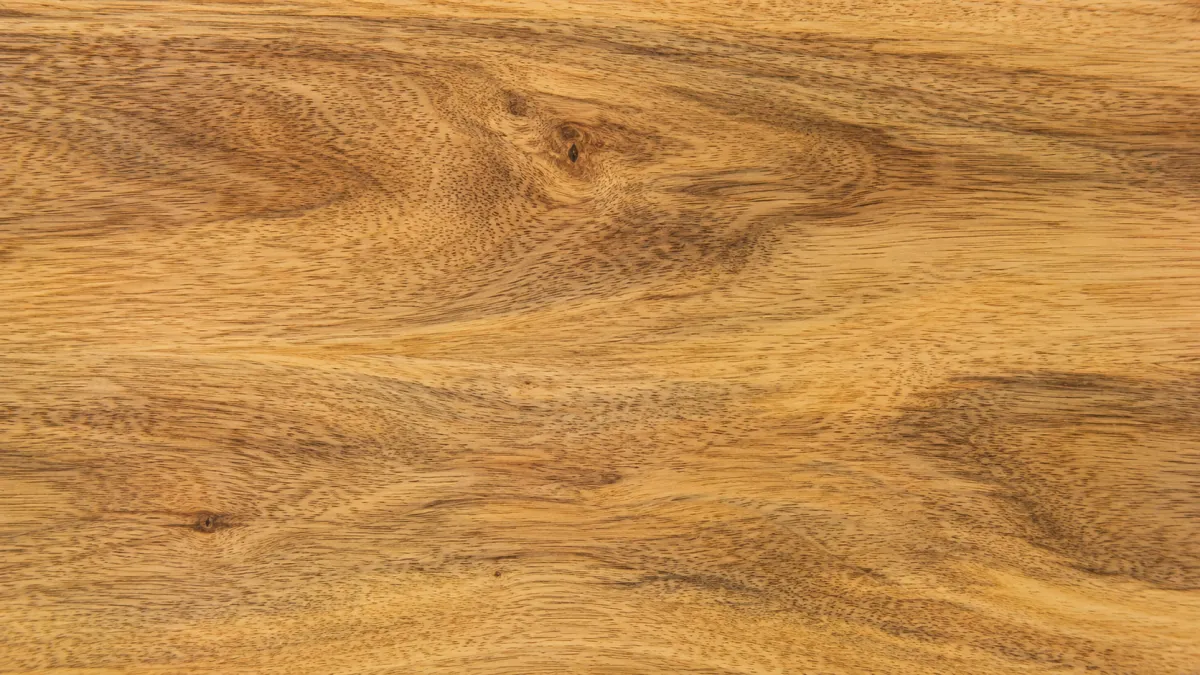
Mango
$$$$$
It is suitable for decorative and moderate functional use, including serving warm or cold foods and brief hot contact, but not typically used for repeated cooking applications.
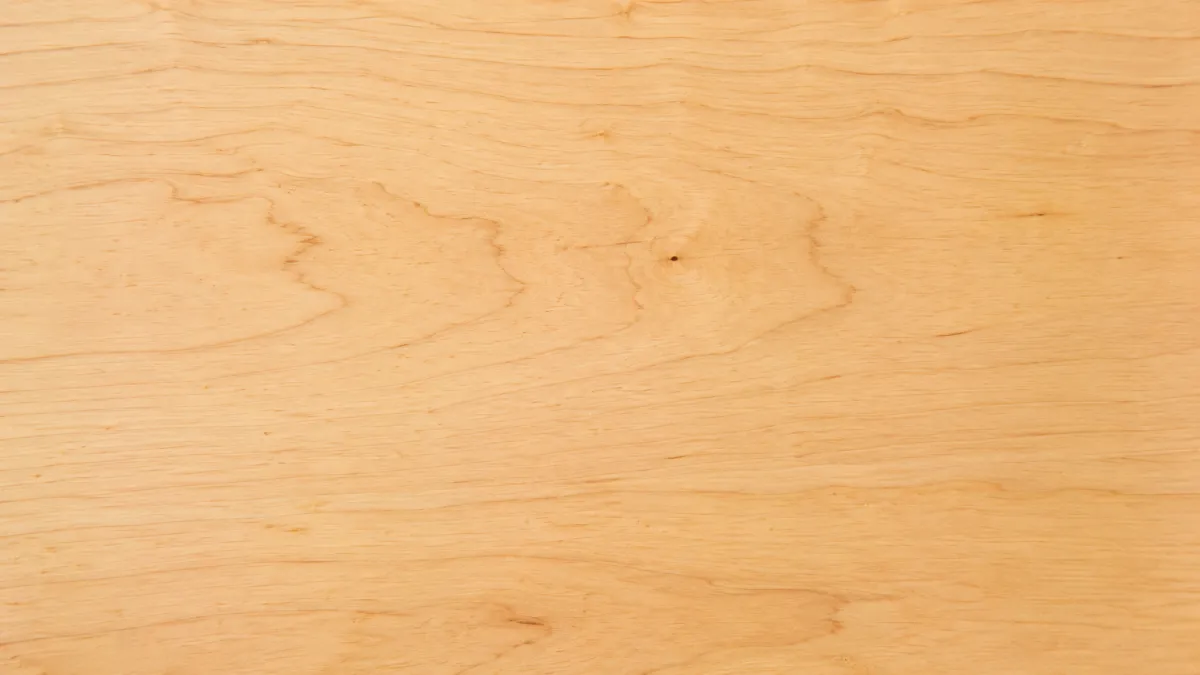
Maple
$$$$$
It is ideal for functional kitchen items, including repeated hot food contact (stirring and cooking) and serving warm or cold foods, while also suitable for decorative work.
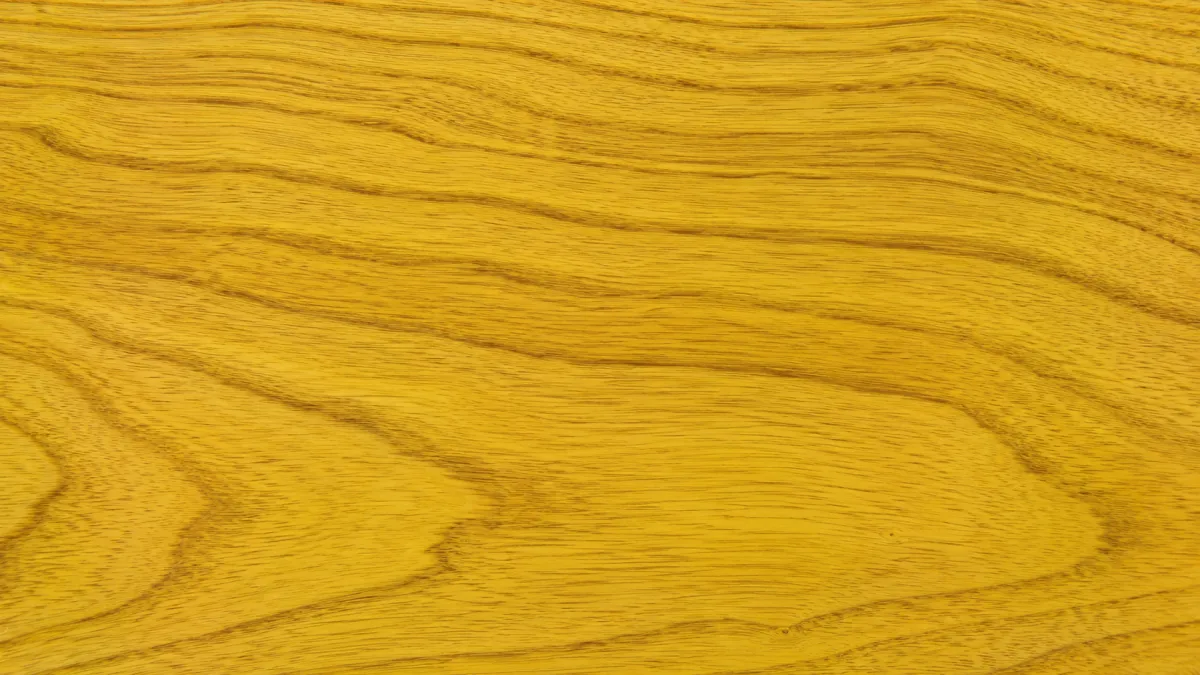
Osage Orange
$$$$$
It is suitable for decorative and functional use, including hot food contact and serving warm or cold foods, though often selected for its color and durability.
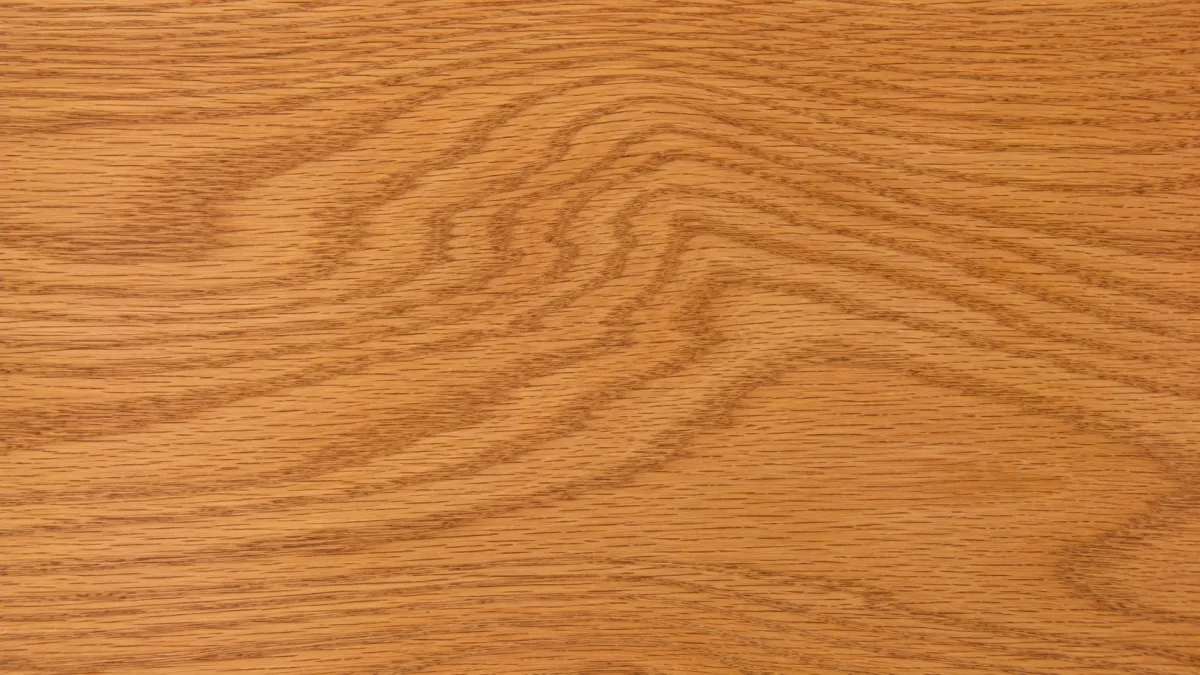
Pin Oak
$$$$$
It is best suited for decorative applications, with food use limited to serving cold or room-temperature foods and brief warm contact, rather than hot cooking.
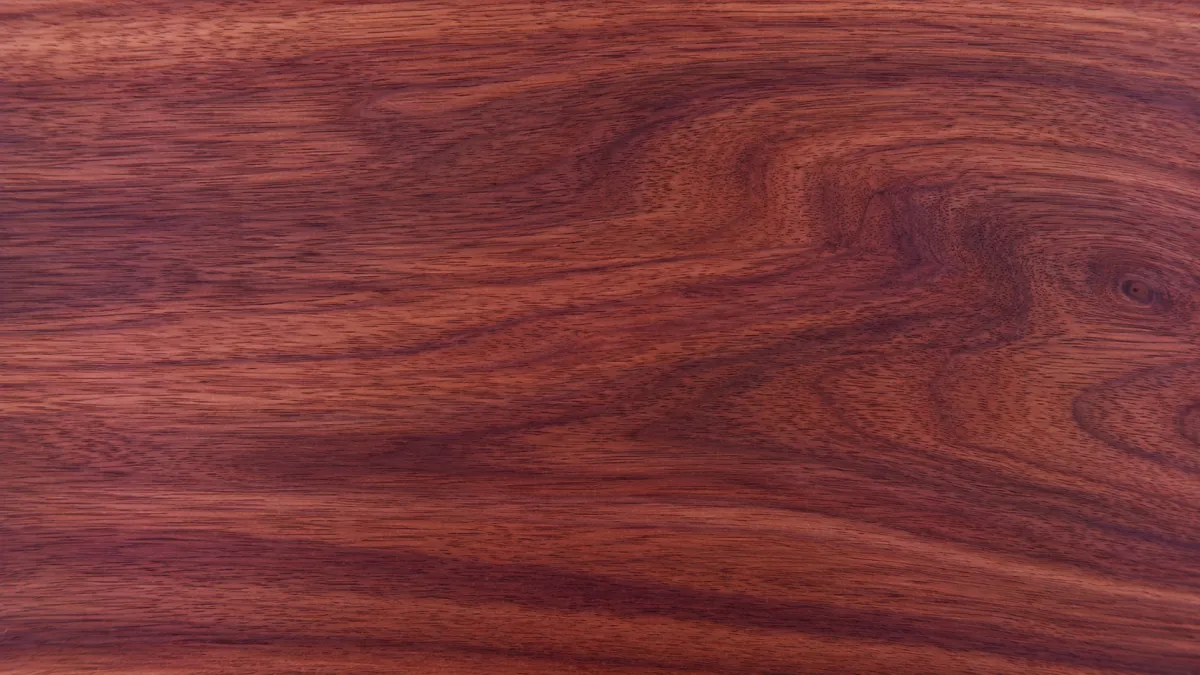
Plum
$$$$$
It performs well in both decorative and functional items, including hot food contact and serving warm or cold foods.
Poplar
$$$$$
It is best suited for decorative and light-use items, with food use limited to serving cold or room temperature foods.
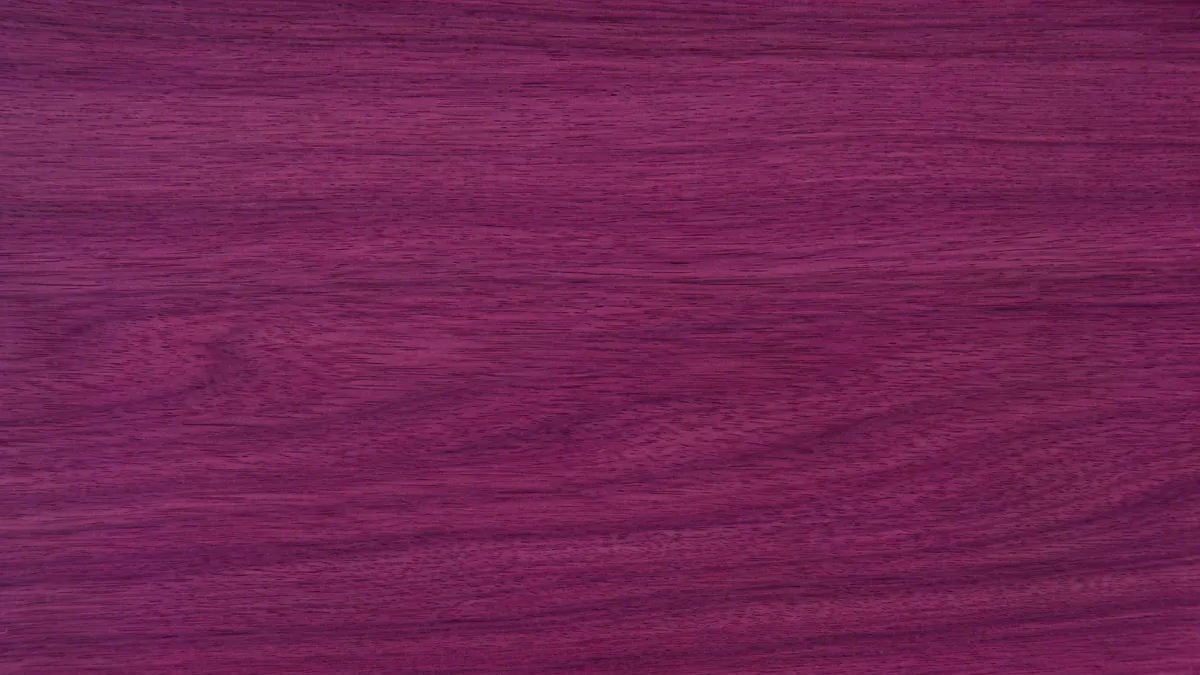
Purpleheart
$$$$$
It is primarily used for decorative applications and accents, and not typically for food-contact items.
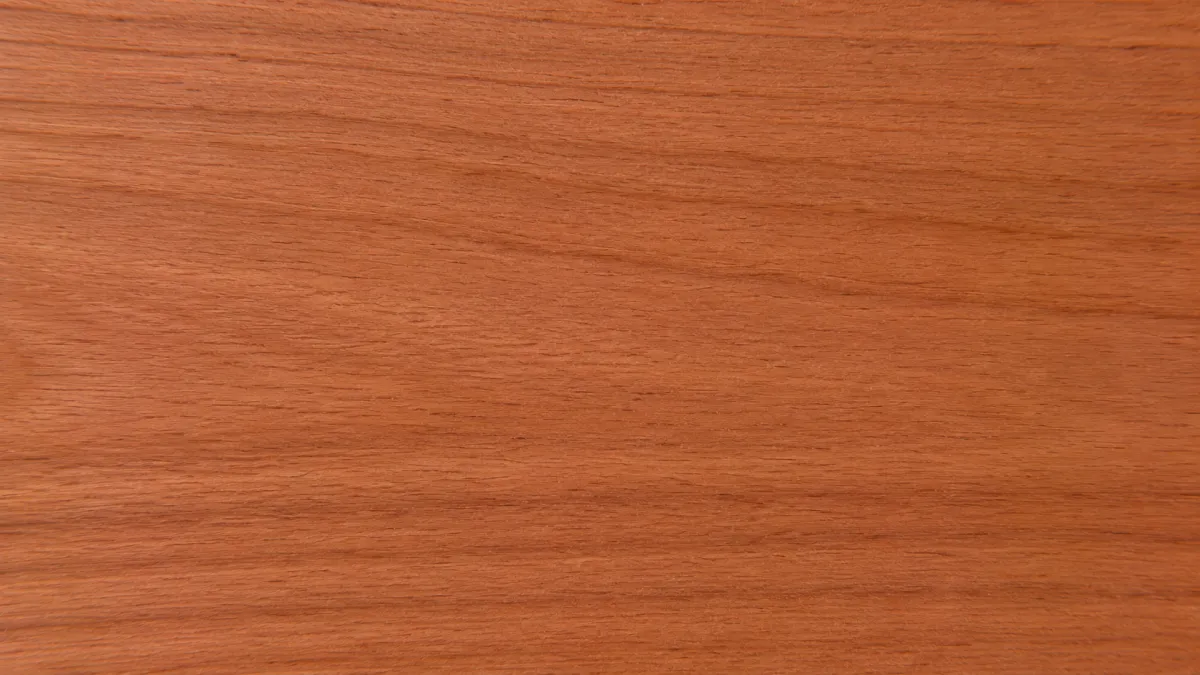
Red Alder
$$$$$
It is suitable for decorative and light functional use, including serving warm or cold foods and light hot contact, though softer than maple.
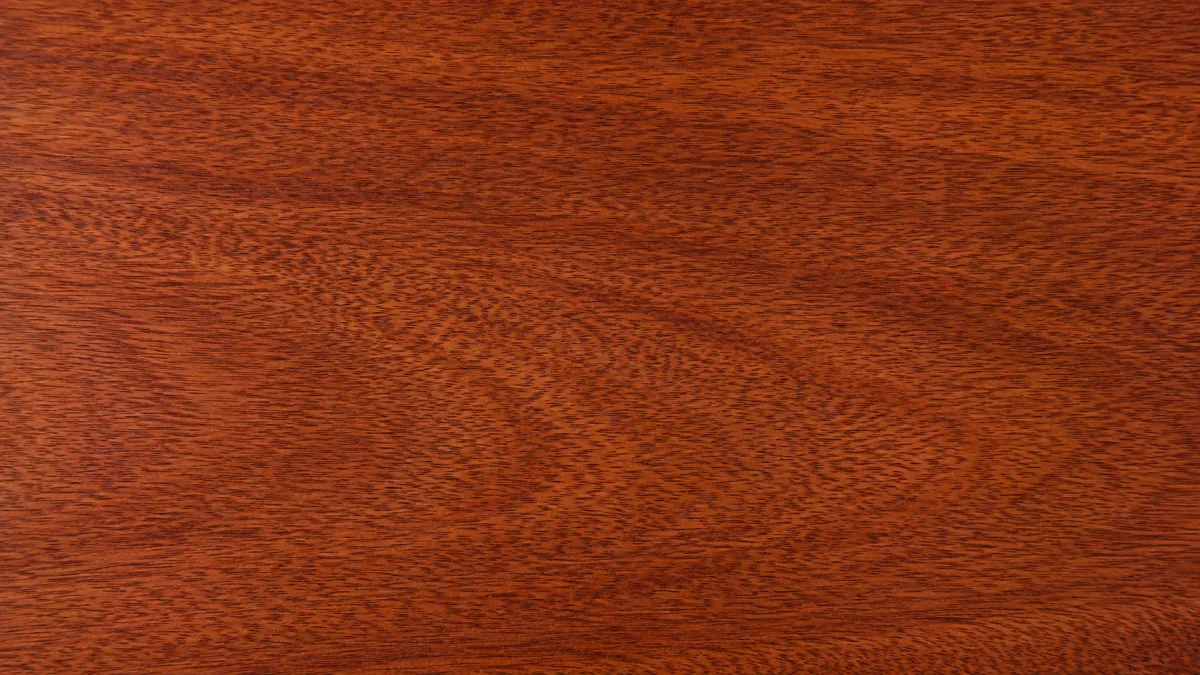
Sapele
$$$$$
It is best suited for decorative and accent applications, with food use limited to serving cold or room temperature foods and brief warm contact.
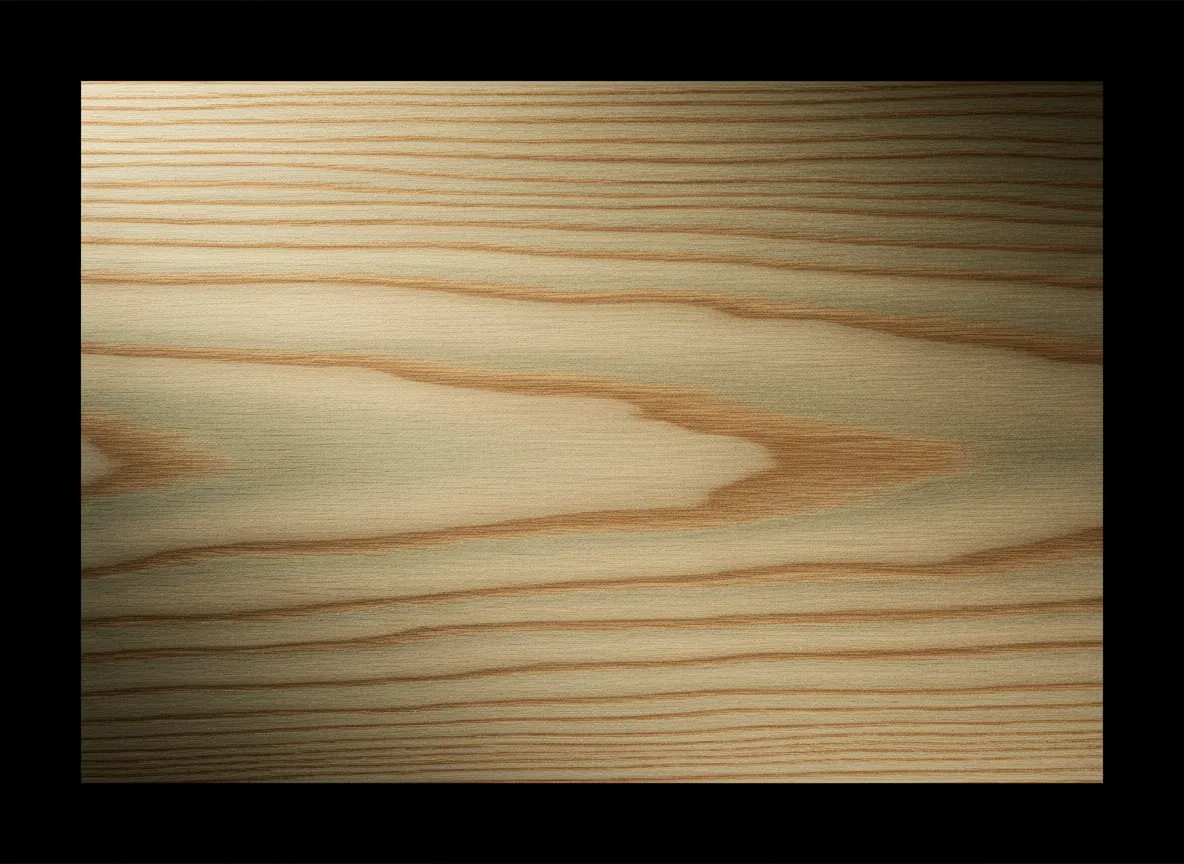
Sassafras
$$$$$
It is suitable for decorative and light functional use, including serving cold or warm foods. It may impart a mild aroma, especially with warm foods.
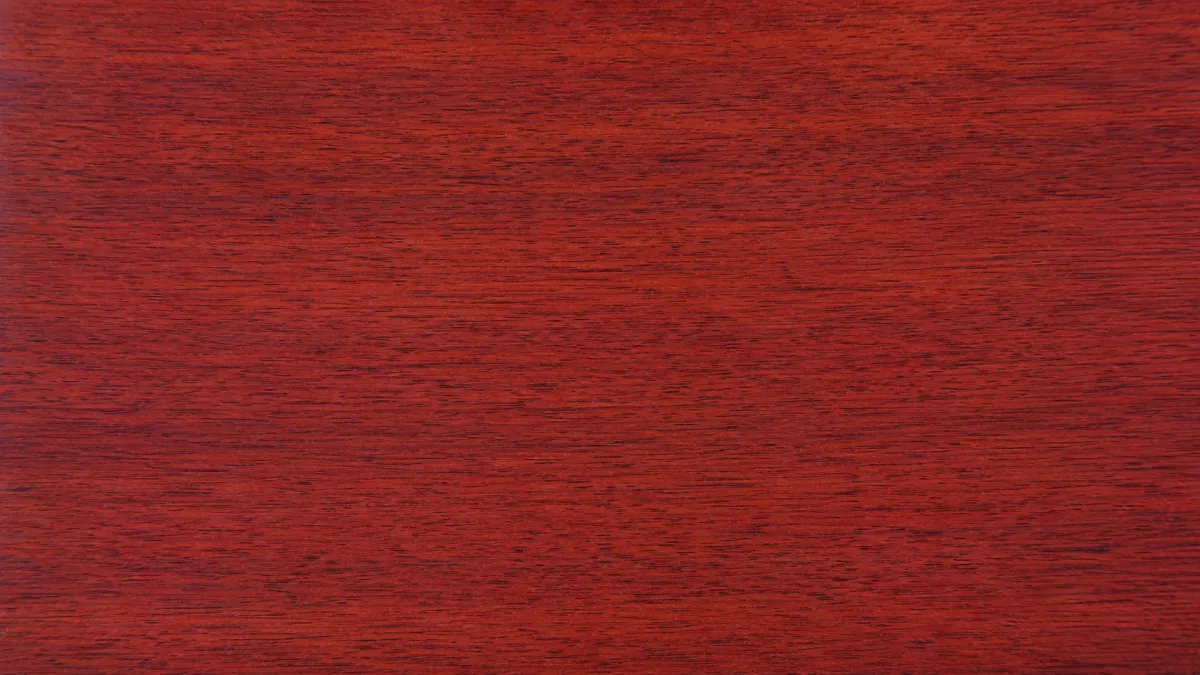
Staghorn Sumac
$$$$$
It is suitable for decorative and light-use items, including serving cold or room-temperature foods.
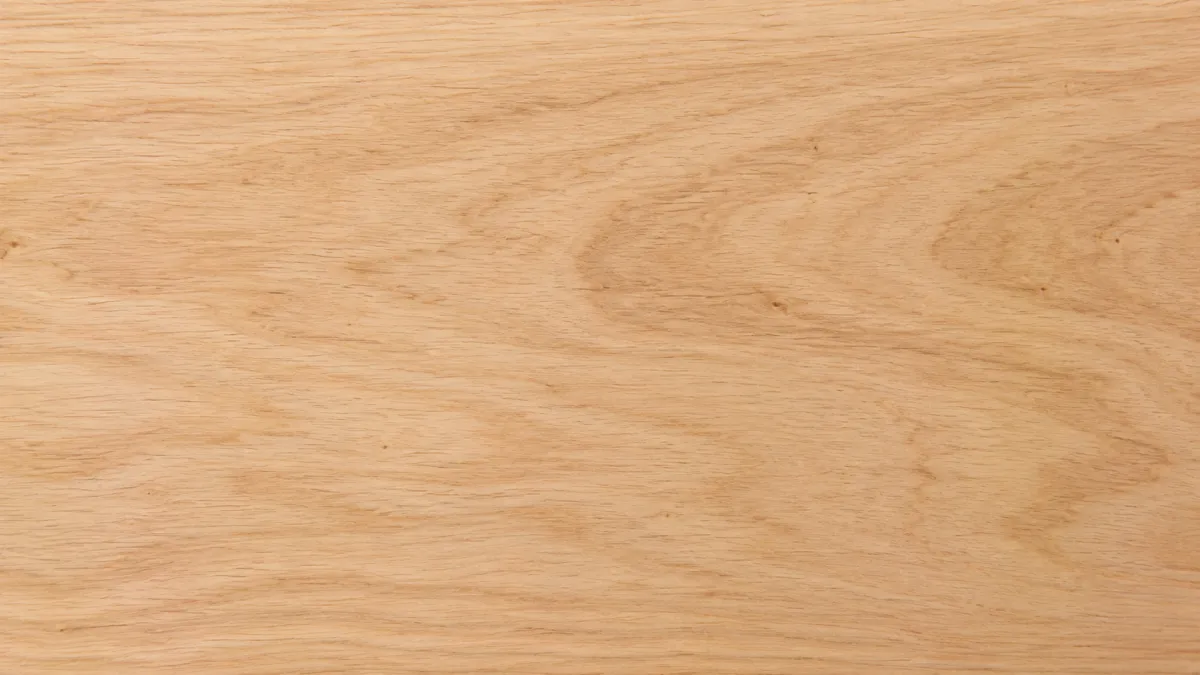
Sycamore
$$$$$
It performs well in both decorative and functional applications, offering serving warm or cold foods and moderate hot contact.
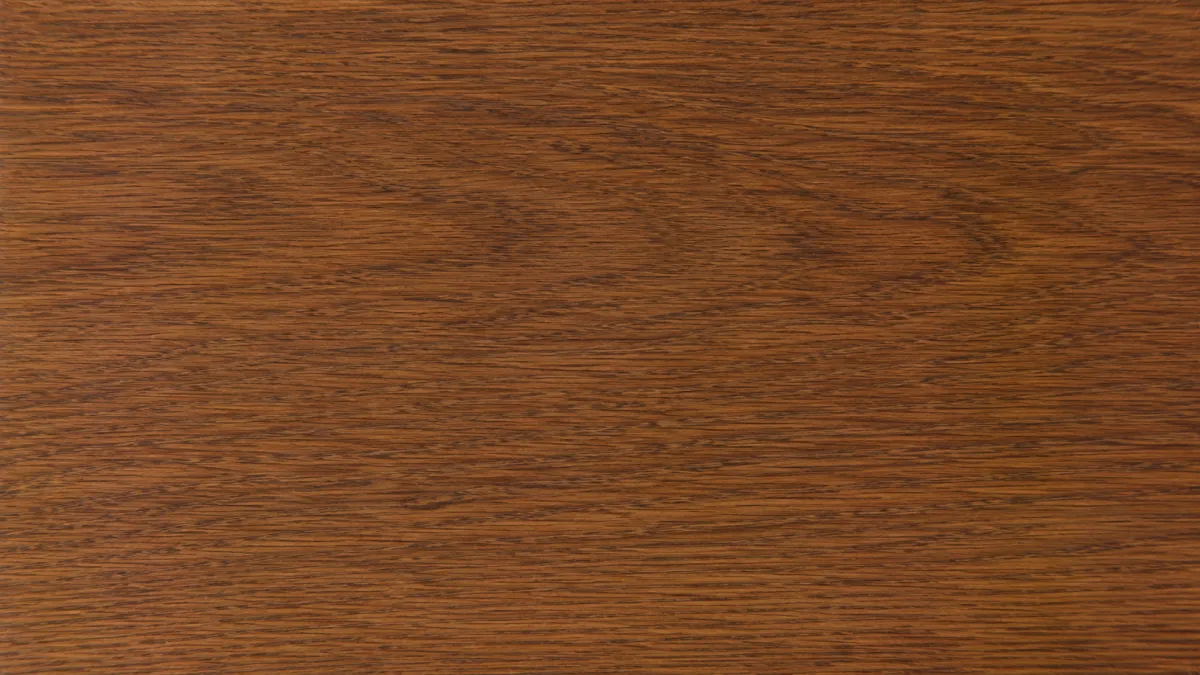
Texas Live Oak
$$$$$
It is primarily used for decorative elements and accents. It is not typically used for food-contact applications.
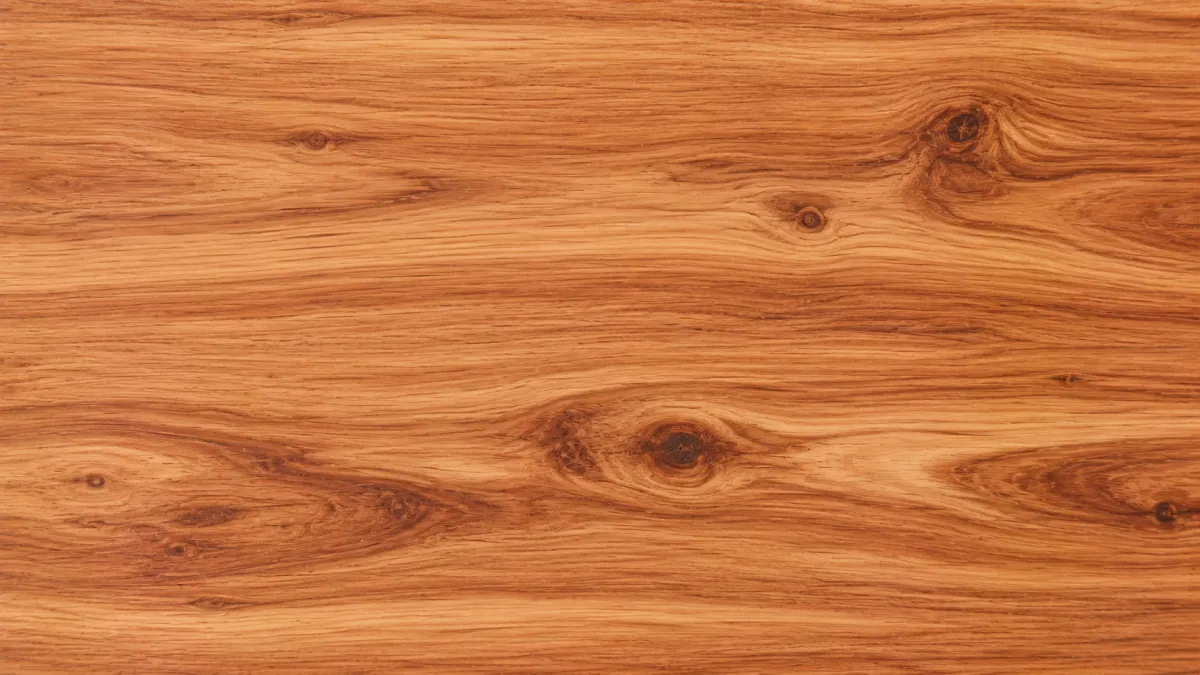
Texas Juniper (Mountain Cedar)
$$$$$
It may impart a subtle organic aroma or flavor, especially with warm or hot foods. It is best suited for decorative pieces and serving applications, including cold foods and brief warm contact, but not prolonged hot cooking use.
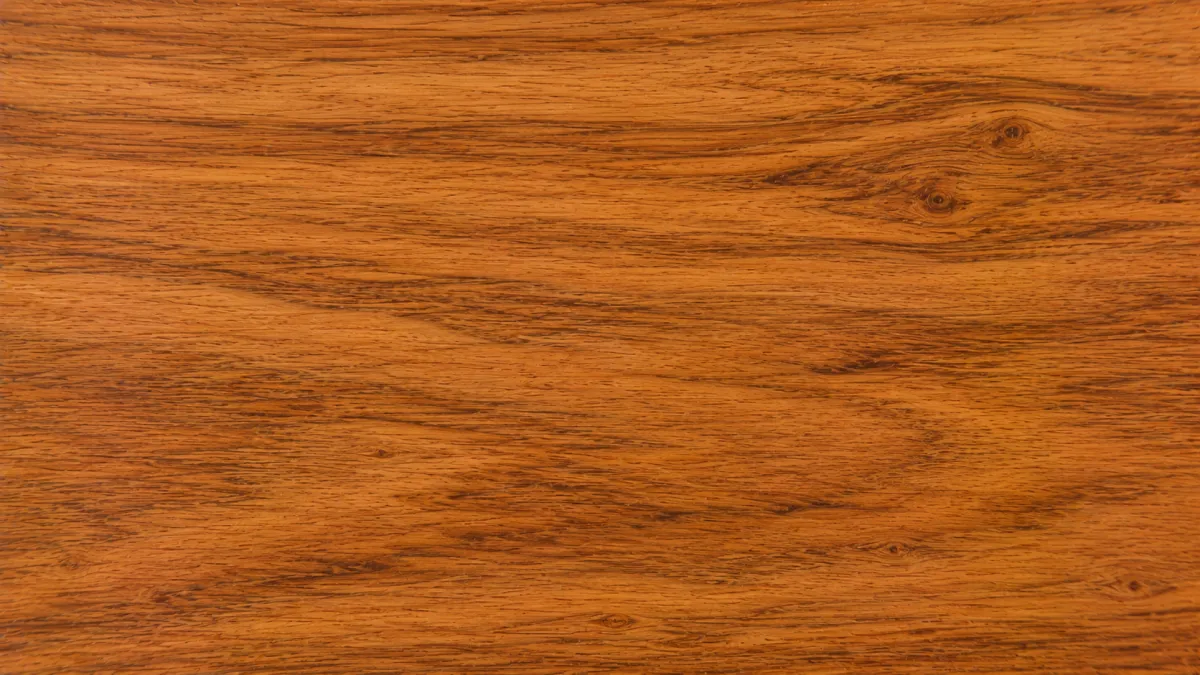
Texas Mesquite
$$$$$
It is suitable for decorative and moderate functional use, including serving warm or cold foods and brief hot contact, though it may impart a subtle earthy character.
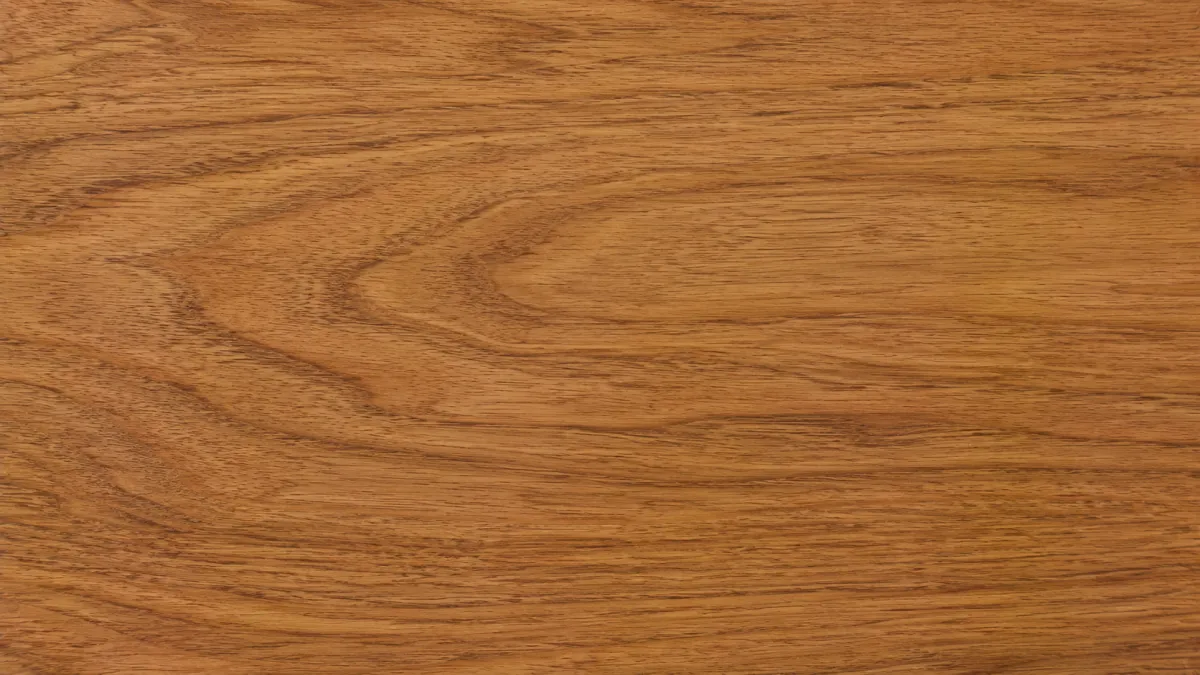
Texas Pecan
$$$$$
It performs well in both functional and decorative applications, including hot food contact and serving warm or cold foods.
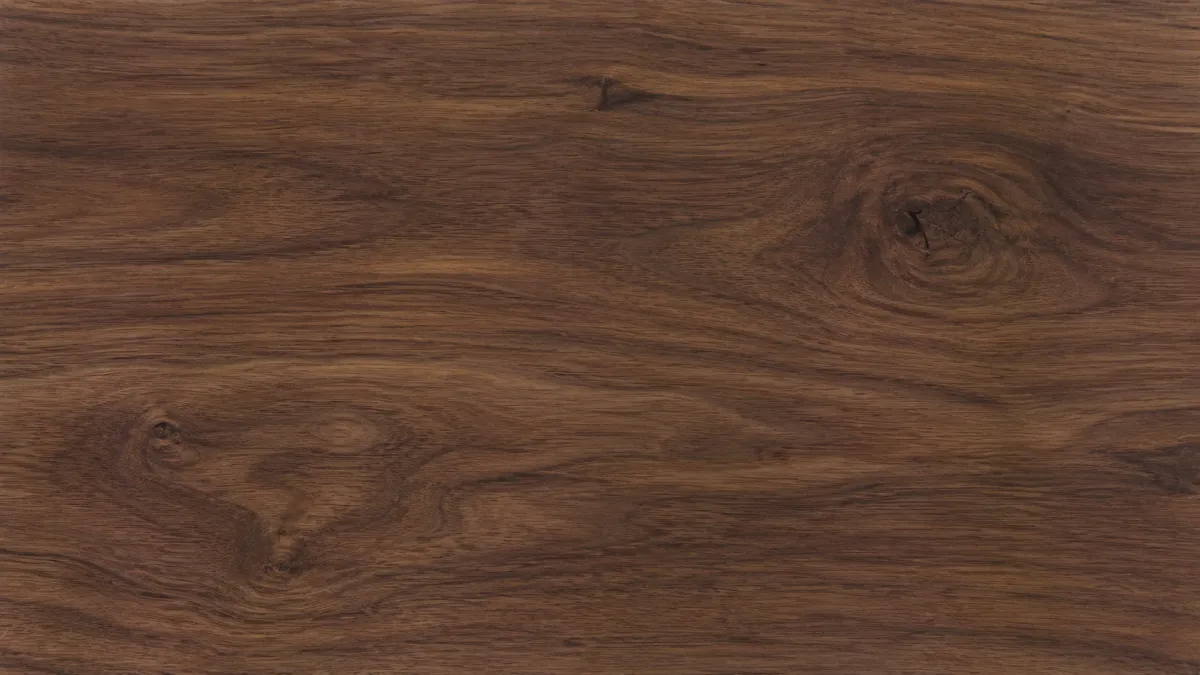
Walnut
$$$$$
It is suitable for decorative and functional use, including serving warm or cold foods and moderate hot contact.
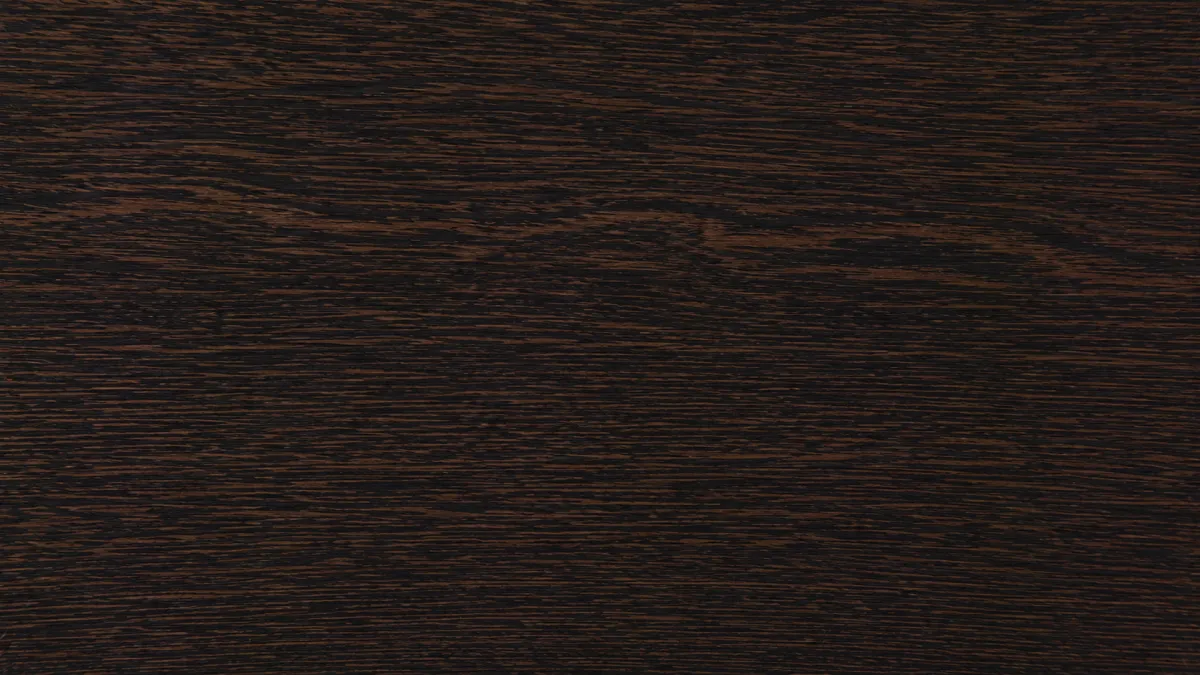
Wenge
$$$$$
It is most often used for decorative applications and accents, and not typically for food-contact use.
White Wenge
$$$$$
White Wenge is a light-toned wood used for decorative applications. It is not typically selected for food-contact use.
Maintenance
Care and Use
Wood is a natural material. To renew and maintain your piece over time, follow these simple steps to preserve its performance and appearance.
STEP 01
Apply Conditioner
Apply a small amount of food-safe wood conditioner or mineral oil to a clean, dry surface.
STEP 02
Let Absorb
Allow the product to naturally penetrate the wood grain to replenish internal moisture.
STEP 03
Wipe Excess
Gently wipe off any remaining product using a clean cloth to restore the tactile finish.
STEP 04
Reapply As Needed
Regular maintenance prevents drying or cracking, preserving both performance and appearance.
TRANSPARENCY
About Our Finishes
Wickwood Handcrafts uses selected wood finishes based on the intended use, appearance, and care needs of each piece. Some finishes are manufacturer-designated for food-contact surfaces when fully cured, while others are intended for decorative or general wood-care use.
Unless a product listing specifically states otherwise, Wickwood pieces should be treated as decorative or general-use wood items and are not represented as certified food-safe products. Please follow the care instructions provided with your item and avoid dishwashers, prolonged soaking, extreme heat, or harsh cleaning products.
Tried & True Original Wood Finish
Odie's Oil
Zinsser Bulls Eye Shellac
Howard Feed-N-Wax
Important Disclaimer
While many of the wood species we use are widely regarded as suitable for food-contact applications, none of our products are certified as "food safe" by any regulatory agency. All items are intended for responsible use based on general woodworking practices. Individual sensitivities or allergic reactions may occur. By purchasing and using our products, customers acknowledge and accept these considerations.
The Wood Database
Independent guide on wood allergies and toxicity.
USDA Forest Products Lab
Technical information and research on wood properties.
Explore
Connect
Social
© 2026 Wickwood Handcrafts. All rights reserved. Privacy Policy. Terms of Service.